
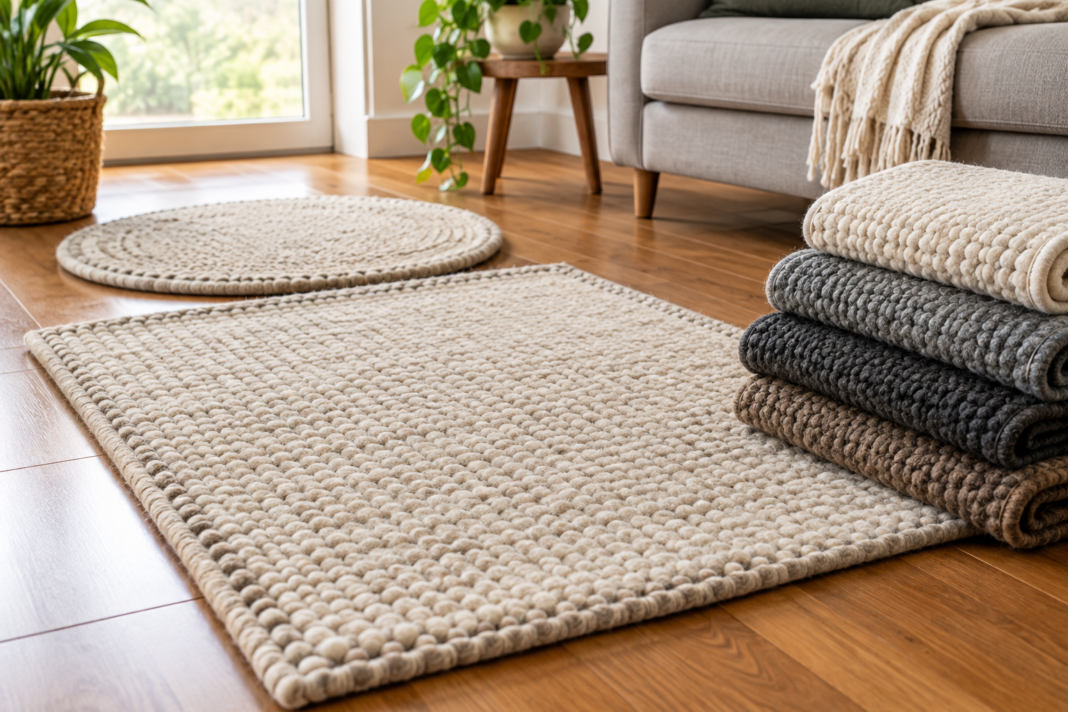

Wollmatten are mats made fully or partly from wool, a natural fiber valued for its softness, durability, insulation, and moisture-regulating properties. They can be used in homes, offices, workshops, and other environments where comfort, warmth, and practical surface protection are important. As people explore natural materials for everyday living, wool mats have gained attention as an alternative to conventional synthetic mats.
The word Wollmatten comes from German. Wolle means wool, while Matten means mats. The singular form is Wollmatte, referring to one wool mat. Depending on their construction, these mats may be made from pure wool, blended fibers, or processed wool materials designed for specific applications.
From cozy interior spaces to practical insulation projects, Wollmatten offer several potential advantages. However, their performance depends on the wool quality, manufacturing method, thickness, and intended use. Understanding these factors helps buyers decide whether wool mats are the right choice for their needs.
What Are Wollmatten?
Wollmatten are mats manufactured using wool fibers, either entirely or as part of a blended material. Wool is obtained primarily from sheep and is widely used in textiles, insulation products, carpeting, and upholstery because of its naturally crimped structure and ability to trap air.
Unlike thin decorative mats made from plastic or synthetic fibers, some Wollmatten are designed with dense wool layers that provide cushioning, warmth, and a degree of sound absorption. Others have a flatter construction suitable for placing beneath furniture, using in interior spaces, or incorporating into specialized insulation systems.
The term does not describe one standardized product. A Wollmatte may be a soft household mat, a dense felted wool pad, or an industrial wool-based material. Therefore, checking the manufacturer’s specifications is important before purchasing one.
Main Types of Wollmatten
Different types of Wollmatten serve different purposes. Their composition and construction determine how well they perform.
1. Pure Wool Mats
Pure wool mats are made primarily or entirely from wool fibers. They are valued for their natural texture, warmth, and comfortable feel underfoot. These mats may work well in bedrooms, living rooms, and other indoor areas where softness and insulation are desirable.
Their main consideration is maintenance. Depending on their construction, pure wool mats may require gentle cleaning to prevent shrinkage, distortion, or fiber damage.
2. Felted Wollmatten
Felted wool mats are created by compressing and interlocking wool fibers through mechanical action, moisture, heat, or a combination of these methods. This process creates a dense material that can retain its shape and provide useful cushioning.
Felted Wollmatten may be used beneath furniture, as protective pads, or in craft and industrial applications. Their density and thickness influence their strength, flexibility, and insulating performance.
3. Wool Blend Mats
Some Wollmatten combine wool with other natural or synthetic fibers. Blending can change the price, texture, durability, and ease of maintenance.
For example, a wool blend may be designed to improve dimensional stability or reduce manufacturing costs. However, a blended product should not automatically be considered equivalent to a pure wool mat. Buyers should review the fiber composition to understand what they are purchasing.
4. Wool Insulation Mats
Wool insulation mats are designed for applications where thermal performance, moisture management, or sound absorption matters. Depending on the product, they may be used in building interiors, roof structures, walls, or specialized equipment.
These products differ from ordinary household mats. Insulation materials should be selected according to relevant building requirements, fire-safety specifications, and installation instructions.
Key Benefits of Wollmatten
Wollmatten offer several useful characteristics that make them worth considering for suitable applications.
1. Natural Warmth and Thermal Insulation
One of wool’s most recognized properties is its ability to trap air between fibers. This structure can help reduce heat transfer and create a warmer, more comfortable surface.
For households in colder climates, wool mats can make floors feel less cold underfoot. Specialized wool insulation mats may also contribute to thermal insulation when installed in appropriate building systems.
However, the insulating performance of a Wollmatte depends on its thickness, density, moisture content, and overall construction. A decorative wool mat should not be treated as a substitute for properly specified building insulation.
2. Moisture Management
Wool fibers can absorb water vapor while still feeling relatively dry, helping moderate changes in humidity within the material. This characteristic may contribute to comfort in indoor environments.
Nevertheless, moisture absorption does not mean wool mats are waterproof. Excessive dampness can encourage odors, damage some constructions, or create conditions favorable to mold growth. Keeping Wollmatten appropriately dry and following care instructions remain important.
3. Comfort and Cushioning
The soft texture of wool makes many Wollmatten comfortable to walk or stand on. Thicker products can provide cushioning in selected indoor areas, while dense felted versions may offer a firmer protective layer beneath objects.
Their suitability depends on the intended location. For example, a soft wool mat may be attractive beside a bed, whereas a workshop may require a tougher material specifically designed to resist abrasion and heavy loads.
4. Sound Absorption
Wool fibers and porous wool structures can absorb some sound energy, depending on the product’s density, thickness, and installation. This property can make certain Wollmatten useful in rooms where reducing reflections or softening everyday noise is desirable.
Still, sound absorption is different from soundproofing. A wool mat alone will not necessarily block noise traveling through walls, ceilings, or floors.
5. Durability and Shape Retention
High-quality wool fibers can withstand repeated bending and compression, making them useful for products intended for regular use. Dense construction and appropriate backing may improve the durability of a wool mat.
Maintenance also affects its lifespan. Excessive friction, unsuitable cleaning chemicals, direct heat, and improper washing can damage wool fibers or cause shrinkage.
6. A Natural Material Option
Wool is a renewable natural fiber because sheep produce new fleece over time. People interested in natural materials may therefore consider Wollmatten as an alternative to products made entirely from petroleum-based synthetic fibers.
However, environmental impact varies according to farming practices, processing, transportation, product lifespan, and end-of-life disposal. A wool product is not automatically more sustainable in every circumstance, so transparent manufacturing information is valuable.
Common Uses of Wollmatten
The versatility of Wollmatten allows them to serve several purposes, although not every type is appropriate for every application.
- Home interiors: Wool mats can be placed beside beds, near seating areas, or in other indoor spaces where warmth and texture are desirable.
- Floor protection: Dense felted mats may help protect certain surfaces from scratches caused by furniture or equipment. The mat’s backing and compatibility with the floor should be checked before use.
- Building insulation: Specially manufactured wool insulation mats can be installed in suitable building assemblies to help manage heat transfer. Correct installation and compliance with local building standards are essential.
- Acoustic applications: Certain wool-based products can absorb sound reflections in rooms, studios, or workspaces. Their effectiveness depends on the acoustic design and product specifications.
- Crafts and upholstery: Wool felt and similar materials are used for cushioning, protective layers, decorative projects, and selected upholstery applications.
- Workspaces and workshops: Some dense wool mats may be suitable for surface protection or specialized industrial purposes. Buyers should verify resistance to heat, chemicals, moisture, and mechanical wear before selecting a product for demanding environments.
Potential Drawbacks of Wollmatten
Despite their advantages, Wollmatten are not ideal for every situation.
Higher Initial Cost
Pure wool and specialized wool products can cost more than basic synthetic alternatives. The price depends on fiber quality, production methods, thickness, and size. Buyers should compare expected lifespan and maintenance requirements rather than considering purchase price alone.
Cleaning Requirements
Some wool mats require gentle cleaning or professional care. Hot water, aggressive detergents, and unsuitable washing methods may lead to shrinkage, fading, or changes in texture. Always follow the manufacturer’s instructions.
Sensitivity to Moisture
Although wool can absorb water vapor, prolonged exposure to damp conditions may cause problems. Wool mats intended for indoor use are generally not the best choice for consistently wet locations unless specifically designed for them.
Variation in Product Quality
Not every product marketed as a Wollmatte contains the same percentage of wool or offers the same performance. Low-density construction, weak backing, and unclear fiber labeling can affect durability and usefulness.
Possible Pest Damage
Wool fibers can be vulnerable to clothes moth larvae and certain other pests under suitable conditions. Regular cleaning, appropriate storage, and preventive measures can help reduce the risk.
How to Choose the Right Wollmatte
Selecting a suitable Wollmatte begins with identifying its main purpose. A decorative mat requires different characteristics from an insulation product or industrial protective pad.
First, examine the fiber composition. If you prefer a natural wool product, check whether it contains pure wool or a blend. Next, consider thickness and density, as these influence cushioning, weight, and thermal performance.
Pay attention to the backing, particularly when using a mat on a smooth floor. A suitable nonslip backing may improve stability, while an incompatible backing could damage certain floor finishes.
Cleaning instructions are another important consideration. Choose a product whose care requirements match your lifestyle and the conditions in which it will be used.
Finally, verify product-specific claims. For insulation, acoustic control, or industrial applications, request relevant technical data rather than relying on general statements about wool.
How to Maintain Wollmatten
Proper maintenance can help preserve the appearance and usefulness of Wollmatten.
- Vacuum household wool mats regularly using an appropriate setting.
- Clean spills promptly by gently blotting rather than rubbing the affected area.
- Use only cleaning products approved for the specific wool material.
- Allow damp mats to dry thoroughly in a well-ventilated area.
- Avoid excessive heat and harsh chemicals unless the manufacturer explicitly permits them.
- Store wool mats in a clean, dry place and take suitable precautions against textile pests.
For specialized insulation mats, follow the installation and maintenance guidance provided by the manufacturer. Some products are intended to remain inside building structures rather than be handled or cleaned like household textiles.
Are Wollmatten Worth Considering?
Wollmatten can be a worthwhile option for people seeking natural-fiber mats with useful characteristics such as warmth, cushioning, moisture management, and potential sound absorption. They are available in different constructions, allowing them to serve decorative, protective, and specialized insulation purposes.
Their value ultimately depends on choosing the correct product. A soft household wool mat cannot perform every function of a dense industrial pad or a professionally specified insulation material. Similarly, wool’s natural properties do not eliminate the need for appropriate cleaning, moisture control, or product testing.
Before making a purchase, compare the material composition, construction quality, maintenance requirements, and intended application. These details will help determine whether a Wollmatte offers the right combination of comfort, durability, and performance.
Conclusion
Wollmatten are wool-based mats that combine the practical characteristics of wool with a range of everyday and specialized applications. The German term refers to mats made fully or partly from wool, while Wollmatte is the singular form.
From comfortable home interiors to selected insulation and acoustic applications, these mats offer several potential benefits. Their drawbacks, including cost, care requirements, and sensitivity to prolonged moisture, should also be considered.
By understanding the available types and checking product specifications carefully, buyers can make informed decisions about whether Wollmatten suit their spaces, budgets, and practical needs.