
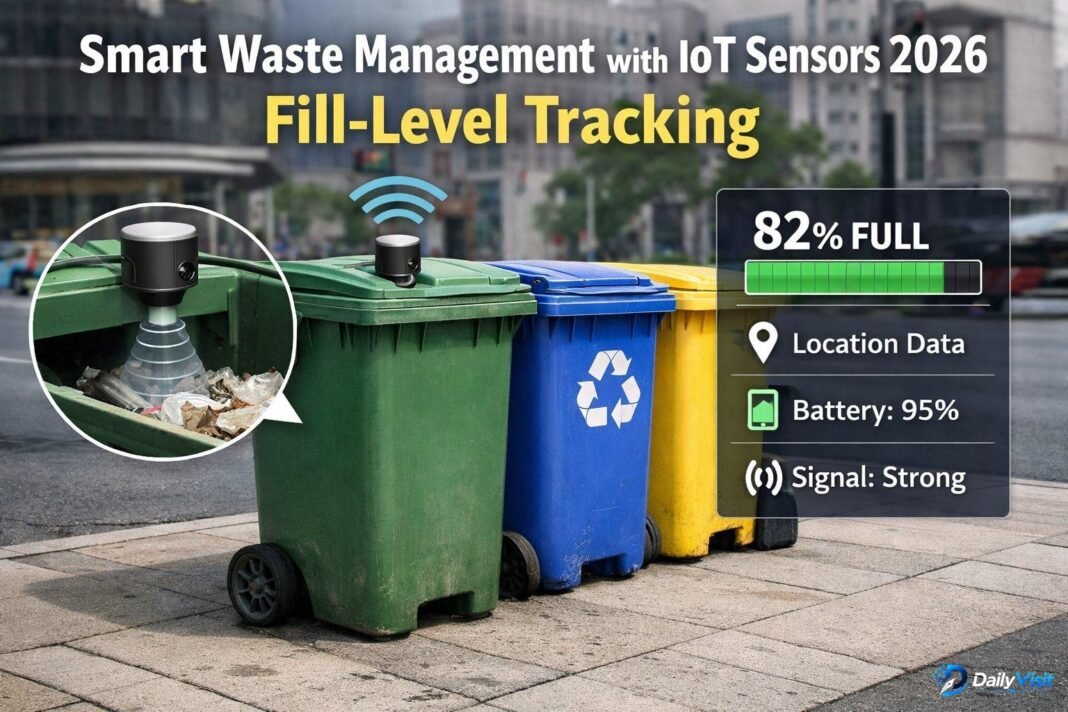

MataRecycler! Recycling is critical as the amount of waste grows in cities, businesses, and the community. Most recycling systems rely on the user’s ability to correctly identify recyclable materials. There are new technologies to collect and sort recycling automatically using artificial intelligence, smart sensors, and data analysis.
MataRecycler is a smart recycling system. It merges technology to identify waste, collect it, sort it, and monitor the whole recycling process.
The technologies used in smart waste recycling systems rely on sensors to identify waste and monitor the amount of waste. There are AI systems being developed to identify waste and sort it using different technologies.
What Is MataRecycler?
Mata Recycler is an example of how smart recycling technologies use smart sensors, artificial intelligence, data analysis technologies, computer vision, and different systems to sort waste and monitor it in real time.
Smart technology used in recycling bins is able to gather how much waste is being generated and when collection of waste is needed.
The technologies used in the MataRecycler concept include:
- Artificial Intelligence
- Smart sensors
- Computer Vision
- Automated Sorting
- Real Time Monitoring
- Data analytics
- Connected Recycling Infrastructure
Innovation in infrastructure, automated technology, and systems focused on data collection makes it easier for organizations to implement smart waste recycling.
How Does MataRecycler Work?
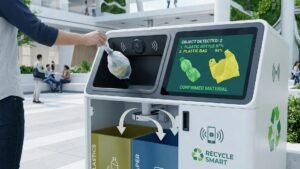
The system consists of multiple connected stages. The specific layout of the system can vary based on the environment and technology used.
1. Smart Recycling
The process initiates after putting recyclable material into a smart recycling container or into a smart sorting system.
Sensors or cameras can detect if material is present and can also collect information on that material. Smart sensors can also be used to detect the fill levels of the container, how heavy the container is, or how much the container is used.
2. AI-Based Material Identification
Artificial intelligence and computer vision can identify the different types of materials that an item may be.
A smart recycling system may identify the following items:
- Plastic
- Paper
- Cardboard
- Glass
- Metal
- Electronic waste
AI recycling systems can already identify and classify various waste materials using computer vision.
3. Smart Sorting
After identifying the material, it can be directed to the appropriate stream for recycling.
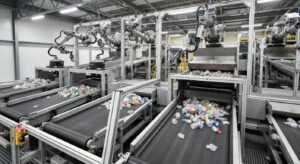
In automated recycling facilities, smart sorting may use mechanical systems, robots, air jets, and other technologies to complete the sorting task and reduce manual sorting.
4. Sensor Monitoring
Recycling containers and/or equipment can be monitored using smart sensors.
For instance, sensors can be used to monitor the fill level of containers and can be useful for determining the optimal time for a collection (instead of just using a scheduled time).
5. Data Collection
Data plays a key role in smart recycling systems.
Connected sensors and machines capture information for a company to automate processes like:
- Determining how much waste is created and what type of waste it is.
- Locating the different places that waste is being generated.
- Determining the quantity and the frequency of how many times waste containers have been used.
- Deciding when to collect waste for recycling.
- Improve the location of where recycling processes can be better executed.
6. Data Analysis and Optimization
The collected data can be analyzed through dashboards or other data management systems.
This can allow recycling operators to optimize collection schedules, management of company resources, and refinement of waste management practices.
Key Features of MataRecycler
The following table summarizes the main technologies and their potential role in a smart recycling system:
| Feature | How It Helps |
|---|---|
| Artificial Intelligence | Helps identify and categorize recyclable materials |
| Smart Sensors | Monitor container usage, fill levels, and other conditions |
| Computer Vision | Analyzes objects and helps recognize different materials |
| Automated Sorting | Supports faster and more consistent material separation |
| Real-Time Monitoring | Provides current information about recycling activity |
| Data Analytics | Converts recycling data into useful operational insights |
| Smart Collection | Helps determine when containers need collection |
| Resource Optimization | Can improve the use of vehicles, staff, and collection resources |
Benefits of MataRecycler
1. More Efficient Recycling
AI-assisted sorting and real-time monitoring may be able to remove some repetitive tasks focused on waste management.
2. Better Material Sorting
Because incorrect sorting can easily spoil or despoil recyclable waste, the use of advanced technologies like computer vision and automated classification and sorting can help address these issues.
Modern AI-assisted recycling systems can identify waste materials with the help of cameras and machine learning technologies.
3. Less Manual Labor
Recycling centers often require labor-intensive sorting. Automated systems sort and identify materials, enabling staff to allocate their time to the operation of a facility.
4. Precise Waste Collection
Sensors attached to recycling bins contribute to efficient collection operations by signaling to collectors when a bin is full and needs to be collected.
This eliminates on unnecessary collection trips.
5. Records of Recycling Activities
Recycling systems with bin communications determine and record actions taken in each bin. This communicates to operators how well they have performed and helps them improve.
6. Optimal Resource Employment
Comprehensive data on recycling activities helps organizations determine the areas where additional recycling systems, resources, and collections are required.
This can optimize collection activities.
7. Reinforcing Sustainability.
collecting materials in an orderly fashion can improve the recovery of recyclable materials. The recovery of recyclable materials, in turn, reduces the amount of usable material that is discarded to landfills.
However, the effectiveness of the entire recycling system determines the environmental benefits that can be achieved.
MataRecycler vs. Traditional Recycling
| Aspect | Traditional Recycling | Smart Recycling Approach |
|---|---|---|
| Material identification | Often depends on users or manual sorting | Can use AI and computer vision |
| Container monitoring | Usually manual or schedule-based | Can use smart sensors |
| Collection | Fixed schedules are common | Can be based on real-time needs |
| Data | Limited operational data | More detailed analytics |
| Sorting | Frequently labor-intensive | Can include automation |
| Decision-making | Based largely on historical patterns | Can use real-time information |
| Efficiency | Depends heavily on manual processes | Technology can optimize workflows |
Where Can MataRecycler Be Used?
MataRecycler can be incorporated across different segments of the market.
Residential areas
Smart Recycling can aid users in identifying materials.
Work and business areas
Businesses have an incentive to use smart Recycling.
Educational areas
MataRecycler can be used with Educational Institutions.
Public areas
Smart Recycling technology can be used in public areas.
Recycling centers
Recycling and waste management systems can also benefit from Smart Recycling.
Limitations of Smart Recycling
Technology will only improve parts of the Recycling process.
There will be upfront costs for purchasing Smart Recycling equipment. There will also be a need to implement and maintain hardware, software, and sensors.
Additional issues arise when materials may be extensively contaminated. Depending on how contaminated materials are, even the most advanced sorting technologies may have troubles.
Combining the appropriate technologies with the right strategies can help establish successful recycling efforts. Typically, the lacking strategies include public involvement, proper collection systems, and appropriate recycling infrastructure.
The Smart Recycling and MataRecycler Outlook
In the future, it’s possible that different parts of the recycling process will use artificial intelligence, computer vision, robotics, the Internet of Things, and data analytics.
Using these technologies can help move the process of recycling in a more intelligent and effective direction.
The more intelligent smart recycling systems can become, the more they’ll be able to discern and monitor the waste streams and manage the collections in order to provide a service that provides organizations the data they need to better manage their waste.
Rather than just managing waste, the system should help recycle more valuable materials and make the whole system easier to manage, effective and measurable.
Questions About MataRecycler
Q1. What is MataRecycler?
MataRecycler is a smart recycling platform that combines technologies such as artificial intelligence, smart sensors, computer vision and data analytics to help improve the identification and management of recyclable materials.
Q2. What are the main characteristics of MataRecycler?
Some characteristics of smart recycling may include AI based material recognition, various sensors, computer vision, automated sorting systems, real time data tracking, optimized collection systems, and data analytics.
Q3. What are the advantages of MataRecycler?
Some advantages may include better recycling, more efficient sorting, less monotonous work, smarter waste collection, more visible data, and better resource management.
Q4. Can MataRecycler be used by industries and organizations?
Smart recycling systems may be of good use to all types of organizations including industries, schools, offices, recycling centers, apartment complexes, and other public areas.
ALSO READ : Coffee Robot Brands Cafe X Artly Rozum KUKA Competitors Compared
Final Thoughts
MataRecycler is a prime example of how recycling and technology are merging. With artificial intelligence, smart sensors, computer vision, and statistics systems, these smart recycling systems may revolutionize waste management systems.
With technology that can identify recycling material and systems that analyze the patterns of recycling and even track containers to know how quickly they fill, these systems can help manage waste and resources better.
AI and smart city oriented systems integrate sensing technology and may be the future of flexible, intelligent and optimized recycling systems.